Landlord & Property Owners Insurance
If you are a property owner, you need insurance that fits your exact requirements, protecting your assets and investments including its unique features.
Property Owners & Landlord Insurance
Key Takeaways
- Dual Focus: Our specialised Property Owners & Landlord Insurance covers both Residential Buy-to-Let portfolios and Commercial Property Owners.
- Valuation Matters: Incorrect Rebuild Values trigger the “Average Clause,” potentially reducing your claim payout by thousands.
- Loss of Rent: Standard policies often default to 12 months; we can advise on appropriate realistic indemnity periods based on planning and reconstruction timelines.
- Compliance: We advise on conditions regarding unoccupied properties, flat roofs, and tenant vetting to ensure your cover remains valid.
Property Owners & Landlord Insurance is the cornerstone of protecting your real estate investment, whether you are a residential landlord with a single buy-to-let or a commercial investor managing a complex industrial portfolio. At Daines Kapp, we move beyond basic online price comparisons to ensure your assets are protected against the unique legal and physical risks of property ownership in the UK.
What is Property Owners & Landlord Insurance?
Property Owners Insurance (often called Landlord Insurance) is a specialised policy designed to cover the physical structure of a rented property, the landlord’s potential legal liabilities, and the loss of rental income following an insured event.
Unlike standard home insurance, which is designed for owner-occupiers, this cover accounts for the specific risks associated with tenants, lease agreements, and periods of unoccupancy. Under the Insurance Act 2015, you have a duty to make a “fair presentation of the risk.” This means accurately declaring tenant types (e.g., students, asylum seekers, commercial enterprises) and property usage.
Commercial vs. Residential: Tailoring Your Cover
We provide bespoke solutions for two distinct categories:
- Commercial Property Owners: For owners of warehouses, offices, shops, or industrial units. The occupation of the property is a key factor influencing the premium.
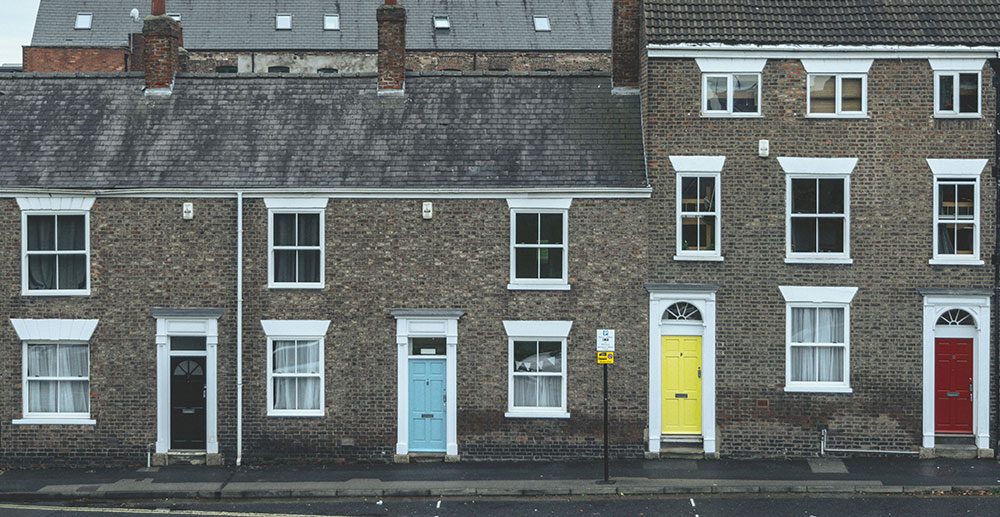
- Residential Landlords: For Buy-to-Let investors, HMOs (Houses in Multiple Occupation), and blocks of flats. Focus areas include tenant malicious damage and alternative accommodation costs.
What Does a Comprehensive Policy Cover?
While every policy is unique, Daines Kapp structures cover around these core pillars:
| Cover Section | What It Protects | The Daines Kapp Advice |
|---|---|---|
| Buildings Insurance | The structure, including walls, roofs, permanent fixtures, and communal areas against fire, flood, storm, and impact. | We ensure “Day One Uplift” or indexation protection is included to protect against inflation in building materials after the policy has started and during the rebuild period. |
| Loss of Rent | Replaces rental income if the property becomes uninhabitable due to damage. | We advise on an appropriate “Indemnity Period.” 12 months is rarely enough for major rebuilds; we often recommend 24 or 36 months. |
| Property Owners Liability | Legal defence costs and damages if a third party is injured on your premises (e.g., a slate falling from a roof). | Essential for compliance with the Defective Premises Act 1972. We recommend a minimum limit of £5m. |
| Employers’ Liability | Mandatory if you directly employ cleaners, gardeners, or concierge staff. | Required by the Health and Safety at Work Act 1974 if you have direct employees. |
| Terrorism Cover | Physical damage caused by acts of terrorism (often excluded from standard policies). | This is optional but vital for commercial properties in city centres. We source this via Pool Re or specialist markets. |
Vital Considerations for Property Owners & Landlord Insurance
The “Average Clause” and Declared Value
One of the most common reasons for reduced claim payouts is underinsurance. You must distinguish between two figures:
- Declared Value: The cost to rebuild the property on the first day of the policy (including debris removal and professional fees).
- Sum Insured: The Declared Value plus an allowance (Day One Uplift) for inflation after the first day of the policy and during the rebuild period.
The Trap: If your rebuild cost is £500,000 but you insure it for £250,000, the insurer will apply the “Average Clause.” This means they will only pay 50% of any claim, even a small one. We can arrange a desktop rebuild cost assessment through our RICS-accredited partners to ensure accuracy.
Unoccupied Properties
If a property stands empty (usually for more than 30 or 60 days), cover is often restricted to “FLEA” (Fire, Lightning, Explosion, Aircraft) only. You must notify us immediately if a tenant vacates so we can negotiate the unoccupancy terms which apply. We can negotiate extended full cover or specific Unoccupied Property Insurance, provided you comply with inspection conditions (e.g., weekly visits, draining water systems).
Non-Standard Risks: Flat Roofs & Listed Buildings
Insurers view flat roofs (felt/bitumen) as higher risk for water ingress. Policies often contain a “Flat Roof Condition” requiring an inspection every 2–5 years by a qualified roofer. Similarly, Listed Buildings require specialist attention, as heritage materials cost significantly more to restore and are often underinsured.
Why Choose Daines Kapp?
We act as your strategic partner, not just a price comparison site. Here is how we differ from standard market offerings:
- Portfolio Management: We can consolidate multiple properties onto a single policy with one renewal date to reduce administration.
- Claims Advocacy: In the event of a major loss (fire or flood), with our in house claims team are here to represent you and fight your corner.
- Risk Management: We advise on risk management and Health & Safety compliance to present your risk favourably to insurers, often securing lower premiums.
Frequently Asked Questions
Does landlord insurance cover malicious damage by tenants?
Not automatically. Standard policies often exclude damage caused by tenants. However, at Daines Kapp, we can source “Malicious Damage by Tenants” cover. This usually requires you to provide evidence of tenant referencing (vetting) prior to the lease start date.
What is the difference between loss of rent and alternative accommodation?
Loss of Rent covers the income you lose because tenants stop paying while the building is uninhabitable. Alternative Accommodation covers the cost of re-housing your tenants if you are contractually obliged to do so. Commercial policies focus on Loss of Rent; residential policies often include both.
Do I need insurance if I rent to family members?
Yes. Even if you trust the tenant, you still need to protect the physical asset against fire, flood, or storm. Furthermore, if a family member is injured due to a property defect, you could still be held liable. Insurers must be informed of the relationship, as it can affect the premium.
How do I calculate the rebuild cost for insurance?
Do not use the market value (sale price). You must use the “Reinstatement Cost,” which includes materials, labour, debris removal, and architect fees. We recommend using the ABI Calculator or allowing us to arrange a professional assessment via our partners.
Does this insurance cover subsidence?
Most standard property owners policies include subsidence cover, usually with a higher excess (e.g., £1,000). However, if the property has a history of movement or is in a high-risk area, it may be excluded. We specialise in placing cover for properties with previous subsidence history.
Protect Your Property Investment Today
Don’t leave your asset at the mercy of the Average Clause or hidden exclusions. Contact the Daines Kapp team for a bespoke review of your portfolio.
Call us on 01920 484844 or Request a Callback.